Bhutan - Where Happiness Matters More Than GDP
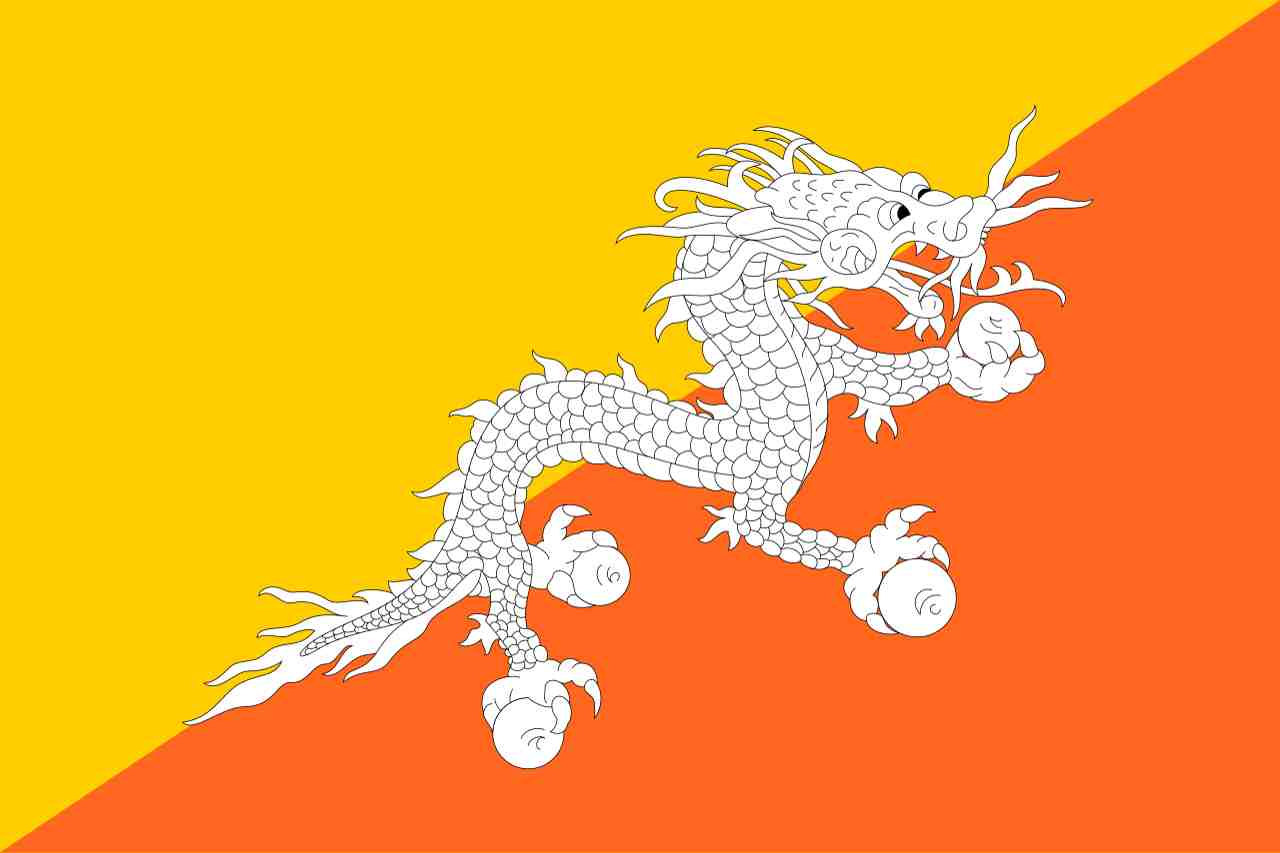
Bhutan, a landlocked sovereign nation nestled deep within the dramatic folds of the Eastern Himalayas, is a country that feels as though it exists in a different era. Often referred to as the "Land of the Thunder Dragon," it is widely regarded as one of the most peace-loving nations on Earth. This reputation is not accidental; it is the result of deliberate policy decisions and a national philosophy deeply influenced by the collective will of its population. For any traveler planning a journey to this unique corner of South Asia, understanding the nuances of Bhutanese life is not just helpful—it is essential for an enriching and respectful experience.
A Landlocked Sanctuary
Geographically, Bhutan is entirely landlocked, meaning it has no direct access to the sea. It exists as a small, high-altitude kingdom squeezed between the world’s two most populous global powers: China to the north and India to the south. This unique location has historically served as a buffer, allowing Bhutan to cultivate an identity that is distinct from its larger neighbors while simultaneously navigating the complex political landscape of the region.
The Law of Attire: Preserving Identity
One of the most striking aspects of Bhutanese culture is the deep-rooted respect for tradition, visible in the public dress code. All citizens are required to wear traditional Bhutanese attire while in public or attending official functions. For men, the national dress is the Gho, a knee-length robe tied at the waist by a cloth belt, while women wear the Kira, a long, floor-length dress consisting of a woven fabric rectangle pinned at the shoulders and belted at the waist.
For the international traveler, however, there is no such legal mandate. You are free to wear clothing that suits your comfort, though it is expected that your attire remains respectful—avoiding overly revealing clothing out of consideration for the local cultural sensitivities.
The Absence of Traffic Lights
Perhaps the most peculiar fact about Bhutan is its resolute rejection of traffic lights. In most capitals, signals are a mundane necessity; in Thimphu, the capital of Bhutan, they are considered an affront to the human spirit. In 1990, the government made a brief attempt to install traffic lights, but the public outcry was immediate and severe. The citizens found the signals to be "robotic, cold, and bleak." They preferred the presence of a human being—a traffic police officer—to manage the flow of vehicles. Today, if you visit Thimphu, you will find a beautifully decorated booth in the center of the main intersection, where an officer uses elegant, rhythmic hand gestures to guide traffic. It is a striking reminder of a nation that values the human element over automated efficiency.
A Careful Approach to Modernity
Bhutan’s relationship with modernity has been cautious and intentional. For decades, the country lived without the distraction of television or the internet to protect its traditional culture from being overwhelmed by Western influence. This changed in 1999, when the government finally lifted the ban. The catalyst for this decision was somewhat unexpected: football. During the 1998 FIFA World Cup, fans were deeply frustrated at their inability to watch the matches, leading to a national conversation about the necessity of global connectivity. By 1999, Bhutan opened its doors to television and the internet, but it did so with a level of cultural awareness that ensured the local heritage remained central to daily life.
Gross National Happiness (GNH)
Perhaps the most famous export of Bhutan is its national philosophy: Gross National Happiness (GNH). While most of the world remains fixated on the relentless pursuit of GDP growth, Bhutan has institutionalized the measurement of its citizens' well-being. GNH is not merely a slogan; it is the core framework used to assess the nation's progress. Policies are scrutinized for their impact on the psychological health, social harmony, and cultural resilience of the population rather than just their industrial or technological output. It is a radical reimagining of what a country's success truly looks like.
Strict Regulations on Smoking
Can you smoke in Bhutan? The short answer is yes, but the environment is incredibly restrictive. Smoking in public places is strictly prohibited. Furthermore, Bhutan is the only country in the world that has historically enforced a near-total ban on the sale of tobacco products within its borders. Local retailers are not permitted to sell cigarettes. Travelers can bring a limited number of cigarettes into the country, but they are subject to heavy customs duties. It is a policy that underscores the nation's profound commitment to public health and clean living.
A Carbon-Negative Pioneer
Bhutan’s environmental commitment is unmatched. The national constitution mandates that at least 60% of the country’s total land area must remain under forest cover in perpetuity. Currently, that figure stands at an impressive 70%. As a result, Bhutan is the world’s only carbon-negative country. It does not just neutralize its emissions; it absorbs more carbon from the atmosphere than it releases, acting as a crucial global green lung in the heart of the Himalayas.
The Challenge of Paro International Airport
If you are dreaming of arriving in Bhutan on a private jet, it is time to recalibrate your plans. The only commercial airport in the country, Paro International Airport, is widely considered one of the most challenging in the world. It is situated deep within a Himalayan valley, surrounded by peaks that reach heights of 18,000 feet. The approach requires pilots to navigate through tight, winding mountainsides, and only a select group of highly trained pilots—fewer than 25 in the world—are certified to land there. Flying into Paro is not merely a commute; it is an exhilarating adventure that sets the tone for your entire journey.
The Mystery of Gangkhar Puensum
For the mountaineering enthusiast, Bhutan holds a curious distinction: it is home to Gangkhar Puensum, which is widely considered the highest unclimbed mountain in the world. In respect for local spiritual beliefs, which hold that mountains are the sacred dwellings of deities, the government prohibits any climbing on mountains exceeding 6,000 meters. This preserves the sanctity of the peaks and keeps the wilderness entirely untouched, ensuring that the majesty of the Himalayas remains a landscape of awe rather than a playground for conquest.
Archery and Cultural Festivals
Archery is far more than a pastime in Bhutan; it is the national sport. It is an integral part of life, woven into the fabric of social gatherings, village celebrations, and religious festivals. In Bhutan, archery is a festive, noisy, and highly energetic affair, involving singing, dancing, and elaborate rituals. To witness an archery competition is to see the community coming together in a way that is distinctly Bhutanese—vibrant, communal, and deeply celebratory.
Traveling with Purpose
Traveling to Bhutan requires a level of planning that is different from most other destinations. The government utilizes a "High Value, Low Volume" tourism policy, which involves a fee for foreign visitors. This revenue is reinvested into the country's infrastructure, education, and healthcare, and it ensures that the environment and culture remain protected from the strains of mass tourism.
A Unique Global Landmark
Bhutan is a nation that asks its visitors to slow down and consider the "why" behind their travels. Whether it is the policy on traffic, the constitutional mandate for forest cover, or the institutional focus on happiness, Bhutan challenges our conventional understanding of development. It serves as a living, breathing testament to the idea that a nation can move forward into the modern world without losing its soul. When you pack your bags for the Himalayas, prepare not just to see a new country, but to engage with a new way of being. Bhutan is not merely a destination on a map; it is an invitation to witness a society that has decided to prioritize the well-being of its people and its planet above all else. Next time you plan your journey, remember that Bhutan is waiting to offer you a perspective that you will likely not find anywhere else on Earth.