How strong is your passport?
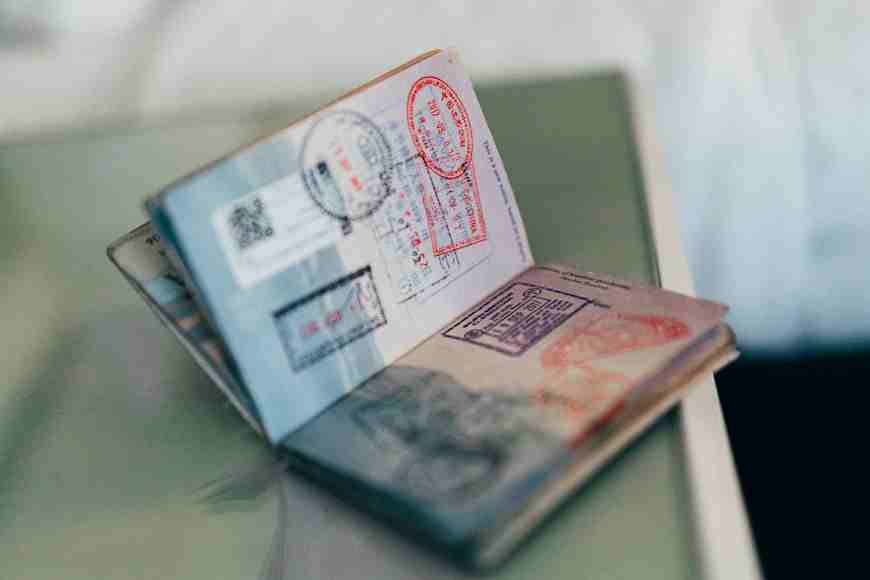
In the modern era, the passport has evolved from a simple travel permit into one of the most powerful administrative artifacts a human being can possess. It serves as our primary proof of identity, our ticket to global movement, and in some regions, a necessary document for managing financial resources like foreign currency. However, the quintessential purpose of the passport remains its function as a gateway to foreign soil—specifically, the mechanism by which we secure the visa stamps that grant us entry into distant lands. Yet, as the world becomes increasingly interconnected, the necessity of these physical stamps is shifting. Not all passports are created equal, and understanding the "strength" of your document is essential for any global citizen.
Understanding Passport Strength
The concept of "passport strength" is anchored in the mobility score of a nation. In simple, practical terms, this strength is measured by the total number of sovereign states that a passport holder can enter without a prior visa application. This includes entry via visa-free access, visa-on-arrival (VoA) schemes, or an Electronic Travel Authorization (eTA). The higher the score, the more fluid and frictionless your international movement becomes.
Why Does Strength Matter?
This is not merely a matter of prestige; it is a matter of profound utility. For a global citizen, a strong passport is a tangible asset that can facilitate life-altering opportunities:
- Legality and Migration: A high-ranking passport allows for easier legal transition between countries, enabling individuals to pursue career opportunities, seek education, or relocate to another nation to start a fresh chapter without the heavy burden of restrictive visa bureaucracy.
- Professional and Creative Agility: For entrepreneurs, business executives, and modern content creators, time is the ultimate commodity. Low-friction travel means you can attend urgent board meetings, explore emerging markets, or document global cultures for your audience without waiting weeks for embassy approvals.
- Urgent Medical Access: In cases of critical illness, the ability to travel instantly to a world-class hospital in another country can literally be life-saving. A passport that grants immediate entry removes the agonizing wait that could otherwise prove fatal.
- Economic Incentives: Nations are more likely to invest in partners whose citizens can travel freely. Seamless mobility fosters a climate of mutual trust, encouraging business tycoons to relocate capital, start local branches, and engage in cross-border trade without administrative hesitation.
The Geography of Passport Rankings
As of 2026, we see a consistent hierarchy in passport rankings. Nations like Singapore, the United Arab Emirates, Germany, Italy, South Korea, and Spain frequently hold the top positions. Holders of these documents often enjoy seamless access to over 150 countries. This isn't random; it is the result of long-standing diplomatic negotiations, economic stability, and international reputation.
The Logic of Privilege: Why Are Some Passports "Stronger"?
You might wonder why a few nations are granted such widespread access while others are severely restricted. There is a complex logic underlying these policies:
- Economic Stability and Security: It is often an unspoken assumption that citizens of wealthier, politically stable countries are less likely to overstay their visas or seek unauthorized employment. This perceived low risk leads other nations to relax entry requirements.
- The Tourism and Content Economy: Tourism is a massive driver of the global economy. By removing visa barriers, countries invite travelers to spend money in their local markets. With the rise of digital travel vlogging, every traveler is a potential ambassador. If a traveler from a high-GDP nation visits a developing country, their spending on lodging, dining, and local experiences provides a significant stimulus to the local community.
- Reciprocity: Diplomacy is often transactional. It operates on a "give-and-take" principle: "If you grant my citizens access to your markets, I will extend the same courtesy to your citizens."
- Investment Exchanges: Some states use visa-free access as a bargaining chip for large-scale foreign direct investment. By making travel easy for business leaders, a nation invites massive long-term investment into its economy.
- Trust in Verification Systems: Ultimately, a passport is only as reputable as the government that issues it. Nations with rigorous, accurate, and transparent police and background verification processes command more trust on the international stage. When a state can guarantee the identity and criminal history of its citizens, other countries feel more comfortable opening their borders.
Navigating Terms: Visa-Free vs. Visa-on-Arrival
It is common for travelers to confuse the terms "visa-free" and "visa-on-arrival." Both are markers of a strong passport, but they function differently:
- Visa-Free: You arrive at the airport and enter the country with your passport alone. There is no bureaucracy at the border beyond a standard immigration check.
- Visa-on-Arrival (VoA): You enter the country but must acquire the visa at the point of entry. This may involve filling out forms and paying a fee at the airport terminal. While it is not as seamless as visa-free entry, it is still significantly more efficient than applying to an embassy weeks in advance.
The Evolution of Global Mobility
The future of travel is trending toward digitalization. We are seeing a move away from physical ink stamps toward e-visas and biometric verifications. As these technologies mature, the "strength" of a passport will likely become even more defined by how well a nation’s database communicates with the global network.
A Call to Adventure
How many countries can you travel to right now without a prior visa? The answer to that question defines your current place in the global mobility landscape. If you are fortunate enough to hold a high-ranking passport, you possess the freedom to curate your own global narrative. You can visit the deserts of the UAE, the ancient streets of Italy, or the bustling tech hubs of Singapore on a whim.
If your passport ranking is lower, do not be discouraged. Use the tools available—check the mobility lists, understand the requirements for electronic authorizations, and plan your journey strategically. The world is vast, and the administrative walls separating nations are becoming more permeable every year. Pack your bags, ensure your documents are in order, and prepare to engage with the best possible options available to you. The strength of your passport is a variable, but your desire to explore remains a constant. The world is open—you only need to know how to unlock the door.