Marathon - A Town in Greece?
We are all intimately familiar with the word "Marathon." In our daily lexicon, it has transcended its origins, becoming a metaphorical term for any task we undertake for a sustained period without rest. Whether it is a "coding marathon" to meet a project deadline or a "movie marathon" on a weekend, the word conveys endurance and intensity. But where did this term actually arrive from? Is it merely a sports event, or is there a deeper, richer historical tapestry beneath the surface? The answer, as it turns out, is that the marathon is much more than a race; it is a place, a legend, and a cornerstone of human resilience.
Is Marathon Just a Sport?
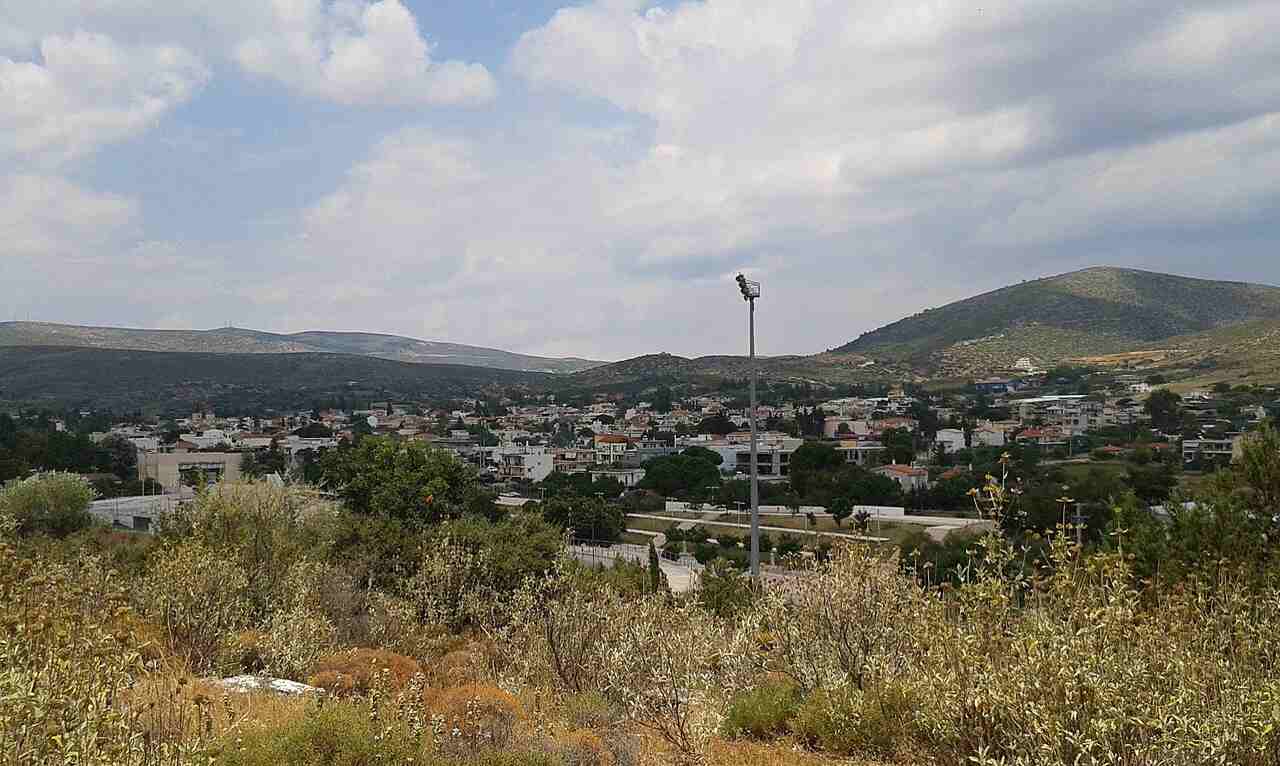
To answer this, we must shift our focus away from the track and toward the map. Marathon is not just an event; it is a historic town in Greece, situated in the northeast of Athens. It is a picturesque coastal town today, but it holds the weight of one of history’s most significant turning points. While modern historians may debate the exact historical credibility of the myths surrounding it, the town and its legend are firmly cemented in the global consciousness, and the Olympic event we know today was undoubtedly inspired by this ancient legacy.
The Famous Battle
To understand the significance of the town, we must travel back to 490 BCE, during the first Persian invasion of Greece. The situation was dire. The colossal, well-trained army of the Persian Empire arrived to crush the Greek city-states, specifically targeting Athens. The Athenian men, joined by their small band of Plataean allies, stood as the only defense against this encroaching superpower.
It is estimated that more than 15,000 battle-hardened Persian soldiers stood on the plain, preparing to face around 10,000 Greeks. Mathematically and militarily, the battle was almost certainly destined to be a victory for the Persians. The Greek army was outnumbered and outmatched in traditional warfare. However, the Greeks utilized the landscape and timing to their advantage. They noticed a vulnerability—the Persian cavalry was missing from the front line—and they launched a sudden, decisive assault. This act of tactical brilliance turned the tide, leading to one of the most improbable and consequential victories in antiquity.
The Legend of Pheidippides
According to the popular narrative, the news of this miraculous victory needed to be delivered to Athens immediately to warn the populace of a potential Persian naval ambush. A Greek messenger named Pheidippides was tasked with this monumental run. He reportedly ran the full distance—approximately 40 kilometers—from the Battlefield of Marathon to the heart of Athens.
The legend describes an exhausted man reaching the city, delivering the news with his final breath, shouting "Nenikikamen!" which translates to "We have won!" or, in other accounts, simply "Nike!" (Victory). Shortly after this final, triumphant proclamation, the messenger collapsed and died from extreme exhaustion. While historians have often questioned whether this specific run happened exactly as described, the story has resonated through the centuries as the ultimate testament to duty and human endurance.
The Global Brand: Nike
The echoes of this story extend far beyond the athletic world. You might naturally wonder if the global sportswear giant "Nike" derived its name from this legend. While the brand’s connection to Greek mythology is explicit, its origins were more modest. Founded in 1964, the company was originally known as "Blue Ribbon Sports." It wasn't until 1971 that they adopted the name "Nike."
Nike is indeed the name of the Greek Goddess of Victory. The brand name, combined with the iconic "swoosh" logo, creates a direct line to the ancient ideals of athletic success. The swoosh itself was possibly inspired by the wings of the Goddess Nike, symbolizing speed, movement, and the fleeting nature of victory. In this way, the legend of Marathon, the battlefield, and the goddess of victory have all coalesced into a single, modern cultural entity.
The Olympic Connection
In 1896, when the first modern Olympic Games were held, the organizers sought to evoke the glory of ancient Greece. They wanted an event that would represent the spirit of endurance and the heroism of the past. Consequently, they adopted the "Marathon" as a long-distance race, originally set at approximately 40 kilometers to mirror the distance Pheidippides was said to have run. This single event transformed a historical anecdote into a global standard for athletic challenge.
The Town of Marathon Today
Today, the town of Marathon remains a living memorial to the events of 490 BCE. It still celebrates the victory and honors the memory of Pheidippides. One of the most prominent landmarks is the "Tomb of Marathon," a burial mound that serves as a tribute to the 192 Athenian soldiers who lost their lives in the defense of their city.
Each year, the town hosts an organized event where participants run from the historic town of Marathon to the heart of Athens. This serves as a physical reenactment of the legendary journey, allowing thousands of modern runners to traverse the same plains and hills that were once the site of an empire-defining struggle. Furthermore, a small but significant museum located at the archaeological site of the battle features artifacts and detailed stories, ensuring that the legacy of the clash is preserved for future generations.
The Authenticity of the Athens Marathon
While cities across the globe host marathons, none can compete with the authenticity of the Athens Marathon. Because it features the original, historic route, it provides a connection to the past that no other race can replicate. You are running the exact distance—and often along the same geographic corridor—that Pheidippides once did.
The race captures the essence of the "long run." It is more than just a 40-kilometer test of stamina; it is a pilgrimage to the roots of human victory. For those who want to experience the intensity of that historic day, standing in the town of Marathon and looking toward Athens gives you a perspective that a city track simply cannot provide. It is a grueling, beautiful reminder of the lengths to which humans will go for an ideal.
A Challenge of Endurance
Do you continue to use the word "marathon" to describe any long-duration event? Next time you do, perhaps take a brief moment to acknowledge the long, desperate run of Pheidippides. Ask yourself: how long can you run? How far would you go for a message that mattered?
The story of the Marathon is not just about the distance; it is about the intersection of courage, history, and the relentless drive to push beyond our physical limits. If you ever find yourself in Greece, you should visit the town of Marathon. Walk the plain where the tide of history turned, visit the tomb of the fallen, and perhaps even go for a run from Marathon to Athens. You might find that the distance feels different when you are running alongside the ghosts of ancient history, proving that while our modern lives have changed, the spirit of the marathon remains unchanged.