Visiting The Taj Mahal - The Icon of India
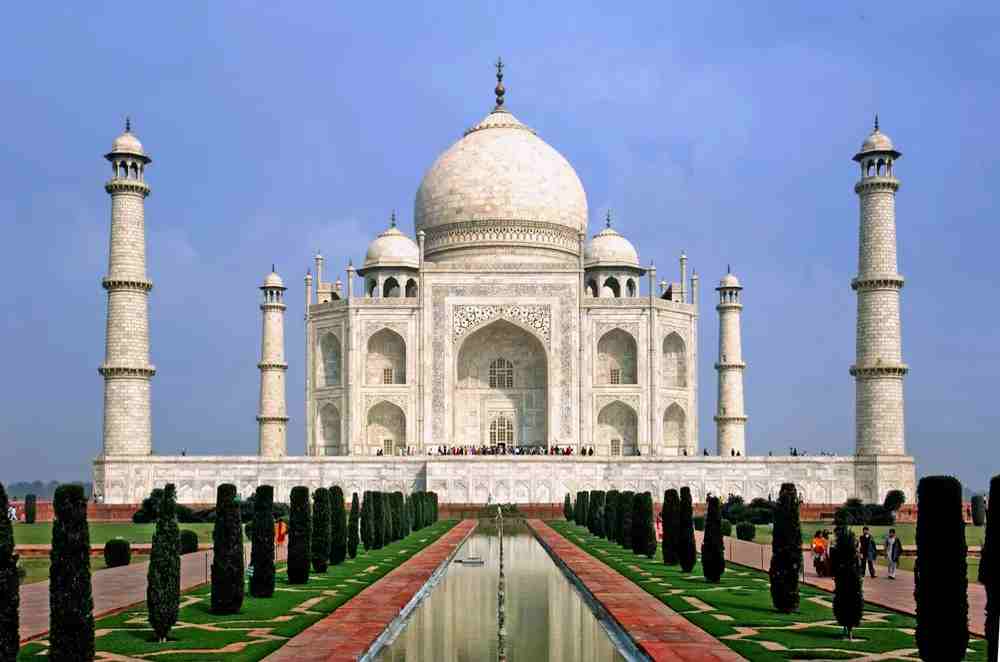
The Taj Mahal stands as the undisputed icon of India, a breathtaking mausoleum that has captivated the global imagination for centuries. Commissioned by the Mughal Emperor Shah Jahan as a poignant testament of love for his cherished wife, Mumtaz Mahal, it remains one of the most recognizable structures in human history. Every year, thousands of international travelers cross oceans and borders for the singular purpose of gazing upon its white marble facade. For those who seek to understand the pinnacle of human creativity, artistic precision, and architectural ambition, the Taj Mahal is an essential pilgrimage.
A Setting of Serenity
Situated in the historic city of Agra, the monument rests gracefully on the banks of the Yamuna River. Its location is not incidental; the river provides a reflective backdrop that enhances the structure’s ethereal quality. Beyond the mausoleum itself, the complex is defined by the expansive Taj Garden, a quintessential charbagh (four-quartered garden) design. Inspired by the Islamic concept of paradise as depicted in the Quran, these gardens serve to create a sense of harmony and balance between the natural world and the built environment. As a designated UNESCO World Heritage site, the Taj Mahal represents a significant focal point within Agra, a city that uniquely hosts three distinct UNESCO World Heritage sites, highlighting the immense historical concentration of the region.
The Historical Tapestry
The history of the Taj Mahal is a blend of romance and architectural mastery. Following the death of Mumtaz Mahal, Shah Jahan was overcome with grief, and he channeled his sorrow into the creation of this architectural marvel. Construction spanned more than two decades, involving the most skilled laborers, master architects, engineers, and technicians of the era.
Inside the mausoleum lies the true grave of Mumtaz Mahal, located beneath the upper chamber. To preserve the sanctity of the burial, a symbolic grave, or cenotaph, is positioned on the surface level directly above the actual resting place. Upon Shah Jahan’s own death, he was interred beside his beloved wife. In a final act of architectural symmetry, his cenotaph was placed next to hers. These cenotaphs, intricately crafted from white marble and inlaid with semi-precious stones, serve as the public face of a private devotion, allowing visitors to pay their respects while respecting the sanctity of the graves below.
Practicalities: Fees and Logistics
Navigating a visit to the Taj Mahal requires some strategic planning. The entry policy is designed to encourage accessibility while maintaining the site’s preservation. Children under the age of 15 are granted entry free of charge, making it a viable destination for family travel. For Indian citizens, the entry fee is quite affordable—approximately 50 rupees as of 2026. For visitors from SAARC and BIMSTEC nations, the fees are slightly higher, ranging between 500 and 600 rupees. Citizens of any other nation will find the fee to be more than a thousand rupees, a cost that reflects both the maintenance of the monument and its status as a premier global attraction.
It is important for travelers to note that the basic entry fee covers access to the premises and the outer grounds. Should you wish to step into the actual inner sanctum to view the cenotaphs, an additional fee is required for those over the age of 15. This tiered pricing model ensures that the site is well-maintained and protected for future generations.
The Economic Ripple Effect
The Taj Mahal is far more than a monument; it is a primary engine of the Indian tourism economy. While the site generates significant revenue directly through ticket sales, its broader influence is immense. The Taj Mahal serves as an anchor for the region, drawing millions of travelers who then spend their capital on local lodging, dining, shopping, and transportation.
Agra’s status as a gateway to heritage is bolstered by its proximity to other marvels like the Agra Fort and the ancient city of Fatehpur Sikri. However, the Taj remains the primary catalyst for foreign currency inflow. A vibrant ecosystem has developed around the monument, where local artisans, tour guides, and small-business owners rely on the steady stream of curious visitors to sustain their livelihoods. By preserving this site, India secures not just a piece of history, but a robust pillar of its domestic service sector.
Assessing the Experience: Is It Worth the Journey?
Is the Taj Mahal truly worthy of your time and investment? Once recognized as one of the Seven Wonders of the World, the structure is objectively unparalleled. The marble is not merely white; it is a canvas of "pietra dura"—intricate inlay work where semi-precious stones are set into the marble to create delicate floral patterns. Observing the way the light shifts across the dome at sunrise or sunset is an experience that transcends photography. Given the sheer scale of the labor involved—twenty years of construction by thousands of masters—it remains perhaps the most exquisite structure ever built by human hands. Frankly, it is a sight that justifies every mile of the journey.
Strategic Planning: Timing Your Visit
Choosing when to visit is the difference between a pleasant exploration and a difficult trial.
- The Summer Heat: During the summer months, the temperatures in Agra can soar to punishing levels. Because visitors are required to remove their shoes before stepping onto the marble plinth, the floor becomes dangerously and uncomfortably hot, turning a serene walk into a scramble.
- The Monsoon: The rainy season offers relief from the heat, but the heavy precipitation can mar the experience. Mud, humidity, and the risk of water damage to historical pathways can complicate movement and photography.
- The Winter Peak: The winter season, extending from November to February, is widely regarded as the best time to visit. The air is crisp, the temperature is soothing, and the clear skies provide the perfect lighting for viewing the monument. However, this is also the period of highest demand. Travelers should anticipate heavy crowds, premium airfare prices, and traffic congestion in Agra.
Final Reflections
If your itinerary includes a trip to India, the Taj Mahal is not a suggestion; it is a requirement. Even if your plans take you to the bustling streets of West Bengal, the cultural centers of Madras, or the coastal retreats of Goa, carving out the time to reach Agra is a decision you will not regret. Plan with care, respect the history of the site, and prepare to be moved by one of the most remarkable structures on the planet. Whether you go for the romance, the architecture, or simply to check a wonder off your list, the Taj Mahal is waiting to tell you its story.